
Reflective Practice
In the dynamic landscape of post-secondary education, the significance of reflective practice in fostering professional growth and enhancing teaching and learning experiences cannot be overstated. Critical reflective practice can promote a culture that keeps quality student learning at the forefront of teaching and learning.
What is reflective teaching practice?
Reflective practice in post-secondary education refers to an ongoing cyclical process where educators critically scrutinize their teaching practice. This process involves thought, time, and a desire to enhance quality student learning. Reflection is a process that helps us to make meaning of a situation or event and supports instructors to grow and deepen their understanding of themselves and their teaching approaches.
Why reflect on your teaching?
It is easy to become stuck in a rut when teaching, therefore integrating reflection as part of your teaching practice can help avoid this from happening. Being reflective identifies aspects of your teaching that may require development or improvement. Reflection may also highlight areas of strength. When instructors reflect on their work and adjust teaching practices, it can be encouraging and motivating not only for themselves, but also for their students. Reflective practice is a continuous learning process and functions as a “gyroscope,” assisting instructors in maintaining equilibrium in a changing environment (Brookfield, 2017, p. 81).
Reflection frameworks
There are numerous models to help apply reflection to your teaching practice. Four models are highlighted here:
Brookfield
- Self-Lens: Instructors may focus on their teaching experiences to reveal aspects of their pedagogy that may need adjustment or strengthening. Teaching philosophies and portfolios can be examples of this lens.
- Student Lens: Engaging with student views of the learning environment can lead to more responsive teaching. Evaluations, assessments, journals, focus groups and/or interviews can each provide cues to improve teaching and learning.
- Peer Lens: Peers can highlight hidden habits in teaching practice and provide innovative solutions to teaching problems. Peer observation is an example for this lens.
- Literature Lens (the theoretical literature): Teaching theory provides the vocabulary for teaching practice and offers different ways to view and understand your teaching. Here you’ll find ways to utilize scholarly literature in your teaching and critical reflection.
Borton
Although the model has been around for some time, it remains a user-friendly option that enables educators to engage in reflection using simple and accessible language. 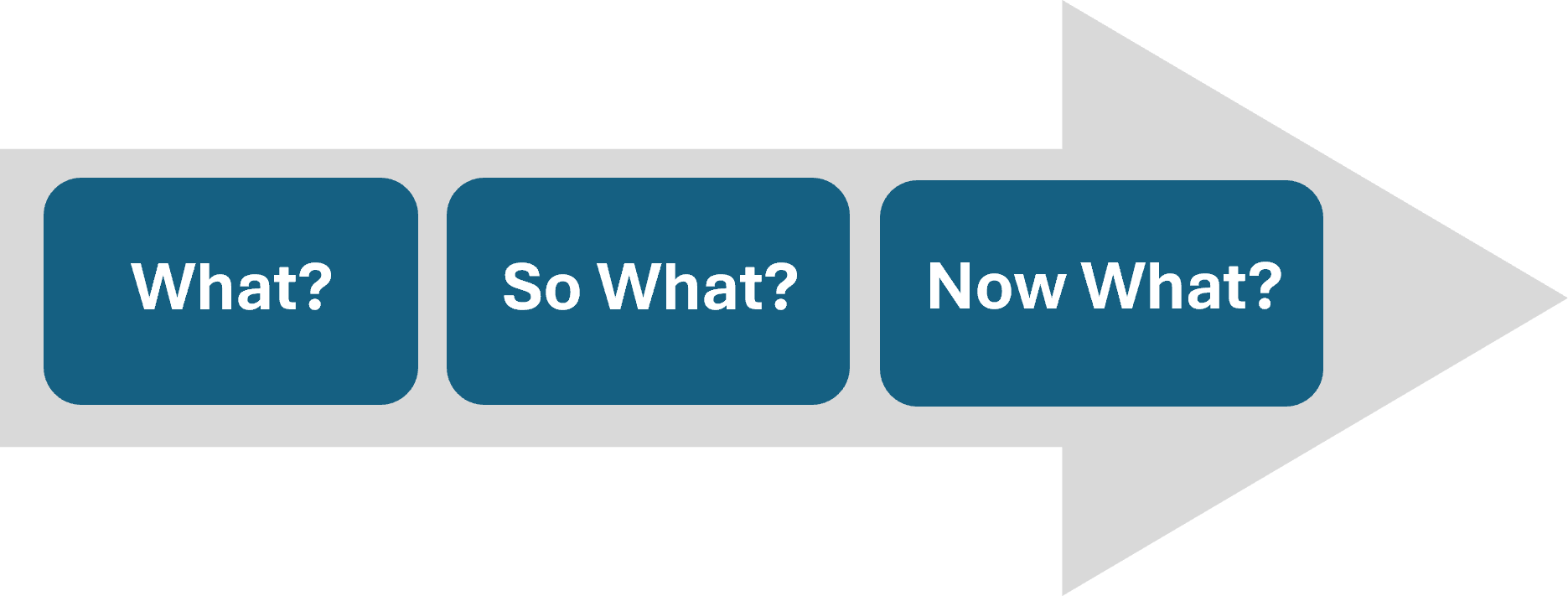
Questions that may be considered include:
What – What happened?
- What does reflective practice mean to you?
- How do you engage in reflective practice?
So What? – Making sense.
- Why is reflective practice encouraged in Post Secondary Education?
- What are the benefits?
Now What? – Future – next steps.
- Are there ways that you can incorporate reflection into your practice in a meaningful way?
- Ideas for the future – peer observation, journaling.
Curious about how you can apply reflective practice into your teaching? Connect with CTLI!!
References
- Borton, T. (1970). Reach, touch and teach. Hutchinson.
- Brookfield, S. (2017). Becoming a Critically Reflective Teacher, 2nd ed. San Francisco: Jossey Bass.
- Wilding, M.P. (2008). Reflective Practice: A learning tool for student nurses. British Journal of Nursing, 17(11), 720 – 724.